Eating a variety of colorful fruits and vegetables can transform your diet and significantly improve your health. Each color in the spectrum offers unique benefits of each color. So eat the rainbow every day!

Plant-based foods come in a variety of vibrant colors, each packed with fiber, vitamins, and minerals. These foods are also rich in phytonutrients, which are natural compounds that protect plants from environmental threats like pests and fungi.
Phytonutrients offer significant health benefits for humans too, influencing cellular structure and function to help prevent diseases and keep the body functioning optimally.
Why Eat a Rainbow of Vegetables?
To Reduce Risk of Chronic Disease
Eating a variety of colorful vegetables is one of the best ways to reduce the risk of chronic diseases. Different colors of vegetables provide unique antioxidants, vitamins, and minerals that work together to protect your body.
For example, the lycopene in red tomatoes has been linked to a lower risk of heart disease and certain cancers, while the beta-carotene in orange carrots can improve immune function and reduce the risk of chronic illnesses.
By incorporating a wide range of colors into your diet, you ensure that your body gets a diverse array of nutrients that help fend off disease.
To Help with Better Mood
Believe it or not, what you eat can significantly impact your mood. Vegetables are packed with vitamins, minerals, and fiber that support mental health.
For instance, leafy greens like spinach and kale are rich in folate, which has been shown to help reduce symptoms of depression. The natural sugars in vegetables, combined with their fiber content, provide a steady release of energy, helping to stabilize your blood sugar levels and, in turn, your mood.
Eating a variety of colorful veggies can help you feel more balanced and upbeat throughout the day.
To Optimize Health and Body Function
Vegetables are essential for overall health and optimal body function. They provide essential nutrients that support everything from brain function to digestive health.
Green vegetables, for example, are high in vitamin K, which is crucial for bone health and proper blood clotting. Purple and blue vegetables contain anthocyanins, which are powerful antioxidants that help protect your cells from damage.
By eating a rainbow of vegetables, you’re giving your body the tools it needs to function at its best.
To Improve Gut Health
A diverse diet rich in colorful fruits and vegetables is excellent for your gut health. These foods are high in fiber, which feeds the beneficial bacteria in your gut, promoting a healthy microbiome.
Different types of fiber and phytonutrients from various fruits and veggies help maintain a balanced gut flora, which is crucial for digestion, nutrient absorption, and a robust immune system.
Eat a Rainbow of Plant Foods for Optimum Health
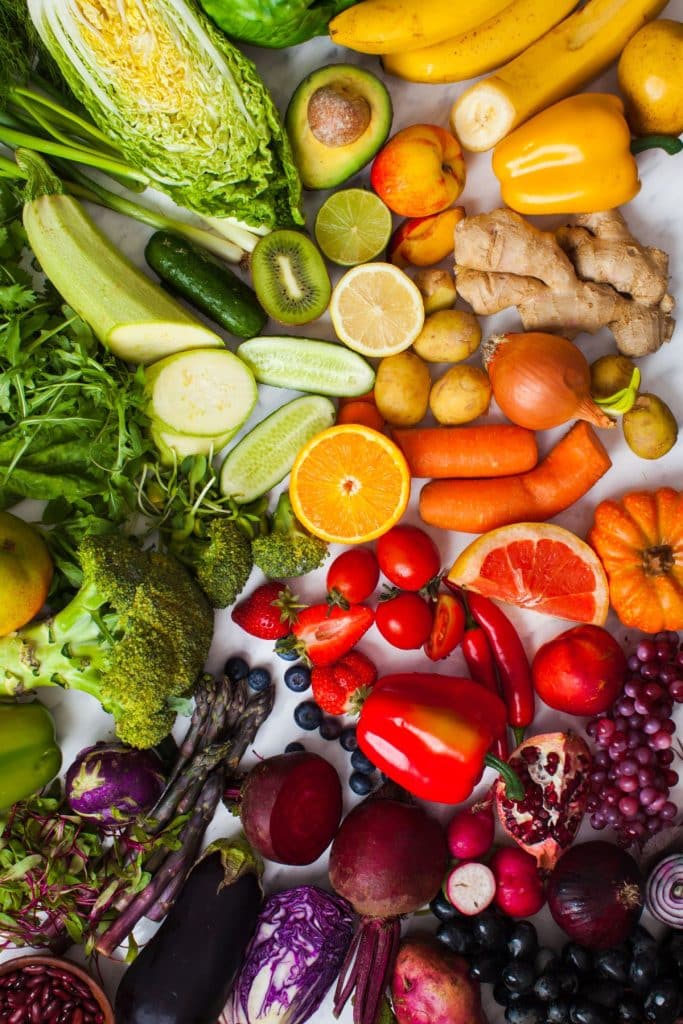
Eating a variety of colorful fruits and vegetables ensures you get a broad range of nutrients. Each color provides unique health benefits:
Red
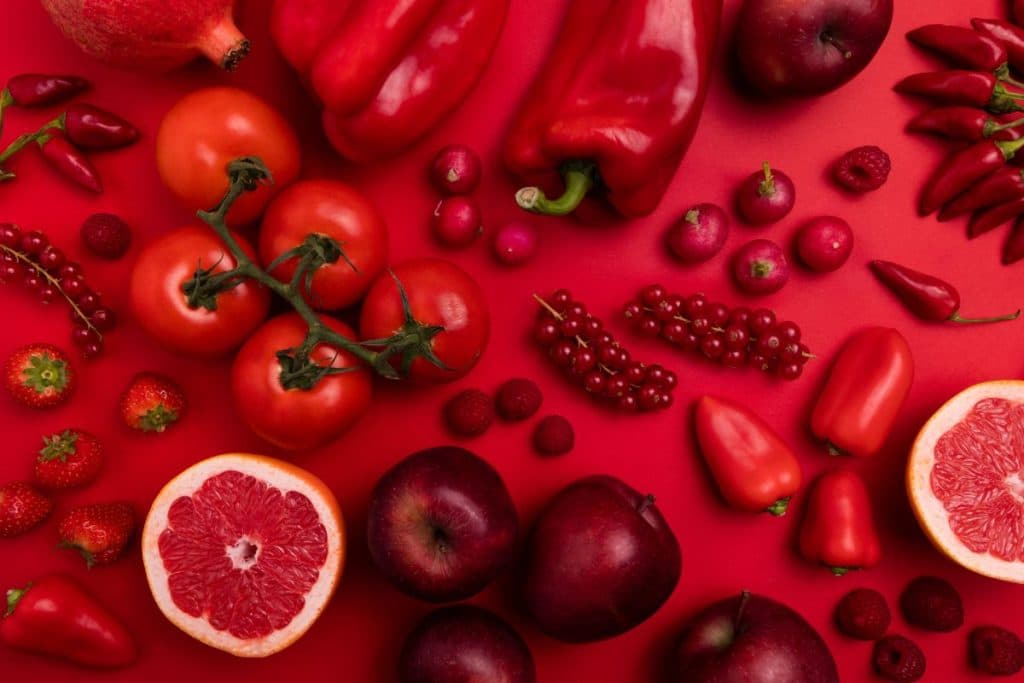
These are rich in anthocyanins and antioxidants like lycopene, which can improve inflammation, immune, and stress response, as well as reduce the risk of heart disease and certain cancers and improve brain function.
Red Fruits
- Red Apple
- Strawberries
- Watermelon
- Pink Grapefruit
- Raspberries
- Cranberries
Red Vegetables
- Tomatoes
- Red Bell Peppers
- Red Potatoes
- Radish
- Radicchio
- Beets
Orange
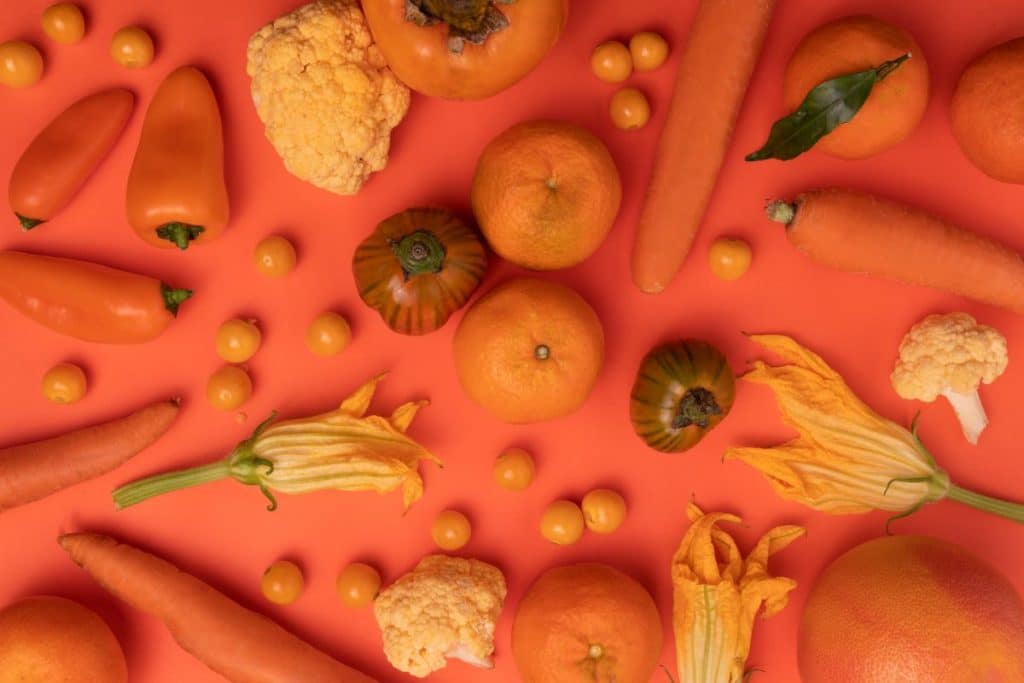
Orange vegetables are loaded with beta-carotene, bioflavonoids, and carotenoids. These nutrients support hormone regulation and promote healthy skin and vision.
Orange Fruits
- Orange
- Tangerine
- Peach
- Persimmon
- Papaya
- Apricots
- Cantaloupe
Orange Vegetables
- Sweet Potato
- Orange Bell Pepper
- Carrots
- Butternut Squash
- Pumpkin
- Orange Tomatoes
- Orange Cauliflower
Yellow
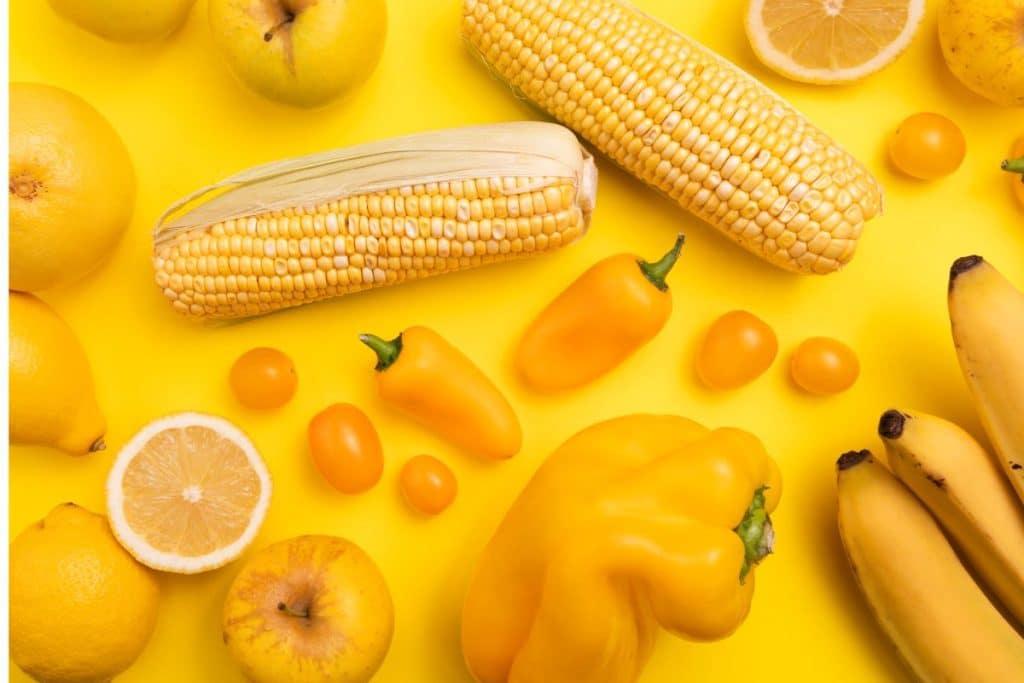
Yellow fruits and vegetables are packed with acids, enzymes, fibers, and prebiotics which are beneficial to digestion.
Yellow Fruits
- Lemon
- Yellow Pear
- Jackfruit
- Pineapple
- Banana
- Starfruit
Yellow Vegetables
- Corn
- Summer Squash
- Yellow Bell Pepper
- Yellow Beetroot
- Ginger
- Yellow Potato
Green
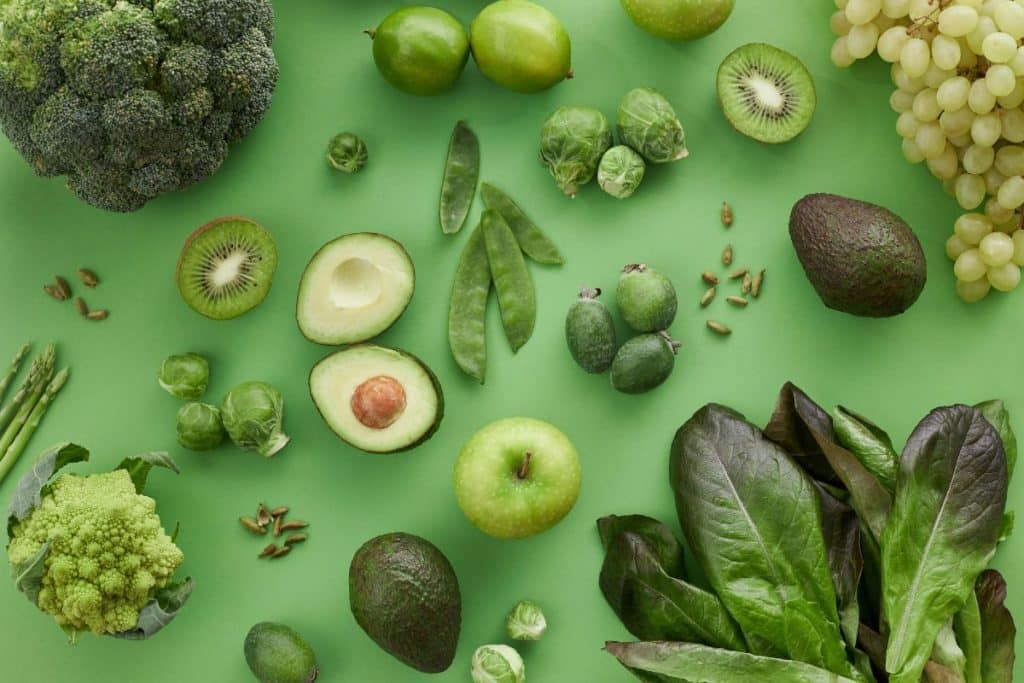
Green fruits and vegetables are packed with nitrates, folates, vitamins K, C, and E, as well as calcium, magnesium, and iron. These foods are particularly beneficial for heart health.
Green Fruits
- Kiwi Fruit
- Green Apple
- Green Grapes
- Lime
- Honeydew Melon
Green Vegetables
- Kale
- Green Cabbage
- Brussels Sprouts
- Avocado
- Asparagus
- Green Beans
- Lettuce
- Peas
- Spinach
- Zucchini
- Green Bell Pepper
- Cucumber
- Celery
- Arugula
Purple and Blue
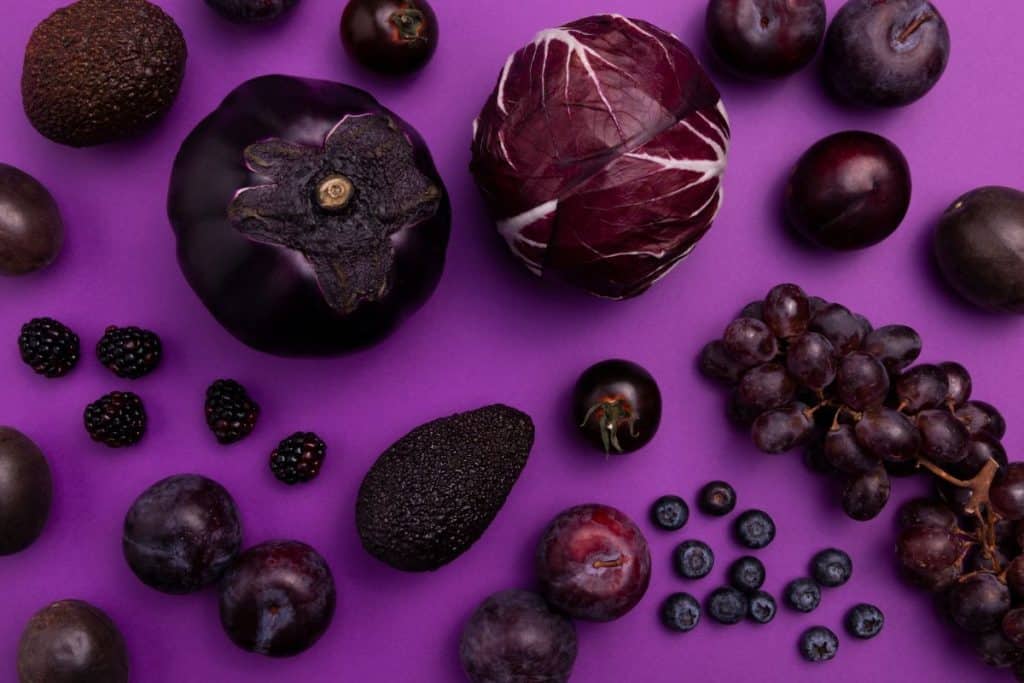
Purple and blue fruits and vegetables contain phytonutrients and anthocyanins that are helpful for cognition and mood. They have also been shown to reduce risk of cancer and heart disease.
Purple Fruits
- Blueberries
- Purple Grapes
- Blackberries
- Boysenberries
- Figs
- Grapes
- Huckleberries
- Marionberries
- Plums
- Prunes
- Raisins
Purple Vegetables
- Black olives
- Eggplant
- Purple bell peppers
- Purple cabbage
- Turnips
- Purple Carrots
- Purple Cauliflower
- Radicchio
- Purple Kale
- Purple Potatoes
- Blue Potatoes
White and Brown Vegetables
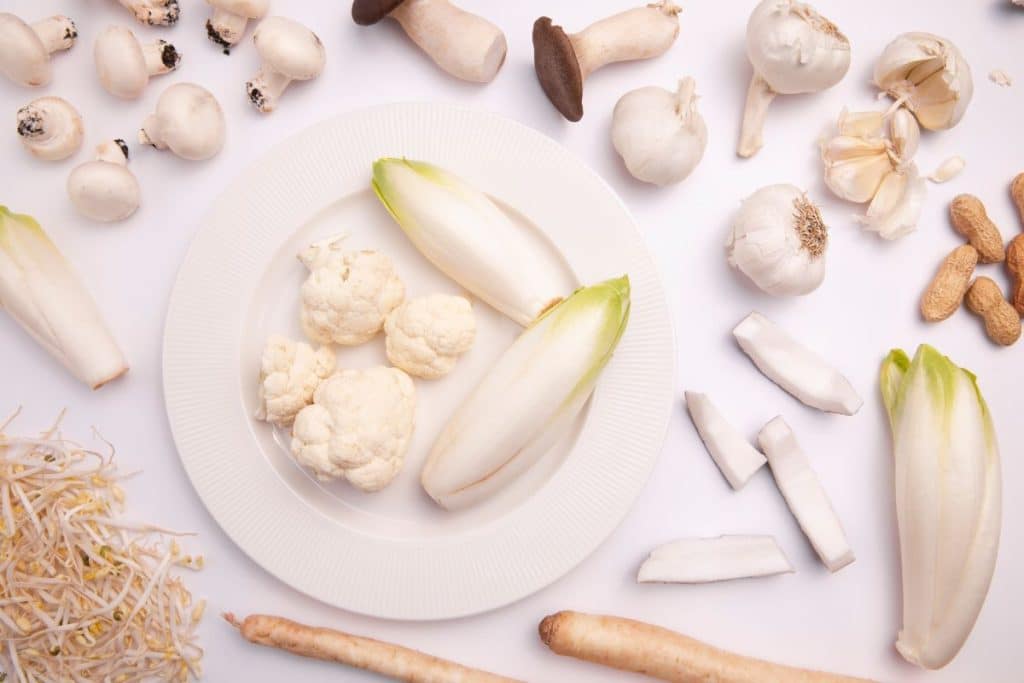
These foods may not be as vibrant, but they’re full of antioxidants and compounds that boost your immune system, have anti-tumor properties, and reduce cholesterol and blood pressure.
White and Brown Fruits
- Coconut
- Dates
- Apple Flesh
- Pear Flesh
White and Brown Vegetables
- Cauliflower
- Garlic
- Ginger
- Turnips
- Parsnips
- White Potatoes
- Onions
- Mushrooms
- Daikon Radish
- Rutabaga
- Belgian Endive
Final Thoughts
Eating a rainbow of fruits and vegetables is one of the simplest and most effective ways to improve your overall health. By incorporating a variety of colors into your meals, you can ensure that you’re getting a wide range of essential nutrients, antioxidants, and phytonutrients that work together to protect your body and promote optimal function.
From reducing the risk of chronic diseases to boosting your mood and supporting gut health, the benefits of eating a diverse array of colorful produce are undeniable. So, the next time you plan your meals, remember to eat the rainbow and enjoy the delicious, health-boosting rewards.
For some easy ways to eat the rainbow, check out my article on Easy Ways to Eat More Fruits and Vegetables. And if you are new to oil-free cooking, my article on How to Cook Without Oil has some helpful tips!