

Living as a vegan with a non-vegan family member can be a challenge. Discover tips on communication, compromise, and creating a supportive household while respecting each other’s dietary choices.

Adopting a plant-based diet for health reasons can bring numerous benefits to your well-being. But it can be tricky if your spouse other family members are not on board with this lifestyle change.
You’re committed to your values, health, and lifestyle, but you also love your family and want to maintain those cherished relationships. The good news is, with understanding and communication, you can navigate these differences gracefully.
Understanding and Respecting Differences
First, remember that everyone’s food choices are personal. Just like you have your reasons for eating plant-based foods, your family member has their reasons for eating what they do. They might have grown up with certain traditions and misconceptions about veganism. They might have reservations or misconceptions about a plant-based diet.
It’s important to understand and respect each other’s choices. Taking the time to listen to their concerns and explaining your reasons for changing your diet can create a foundation of mutual respect and understanding.
Remember Your Own Journey
Reflect on your own journey to a plant-based diet. Remember that your transition may have taken time, involved research, and required you to overcome your own doubts and challenges.
By remembering your personal story and the gradual steps you took, you can relate to your family member’s hesitations and show them that you understand how hard it can be to change eating habits.
Clear Communication is Key
Open and honest communication is essential when dealing with lifestyle changes. Share with your family why you’ve decided to follow a plant-based diet, focusing on the health benefits you hope to achieve. Discuss how this change can positively impact your life and, by extension, your relationship with them.
Be sure to listen to their feelings and concerns, too. By fostering a dialogue, you can find common ground and understanding.
Finding Compromises
Compromise is a vital part of any relationship. Find ways to incorporate both dietary preferences in your household.
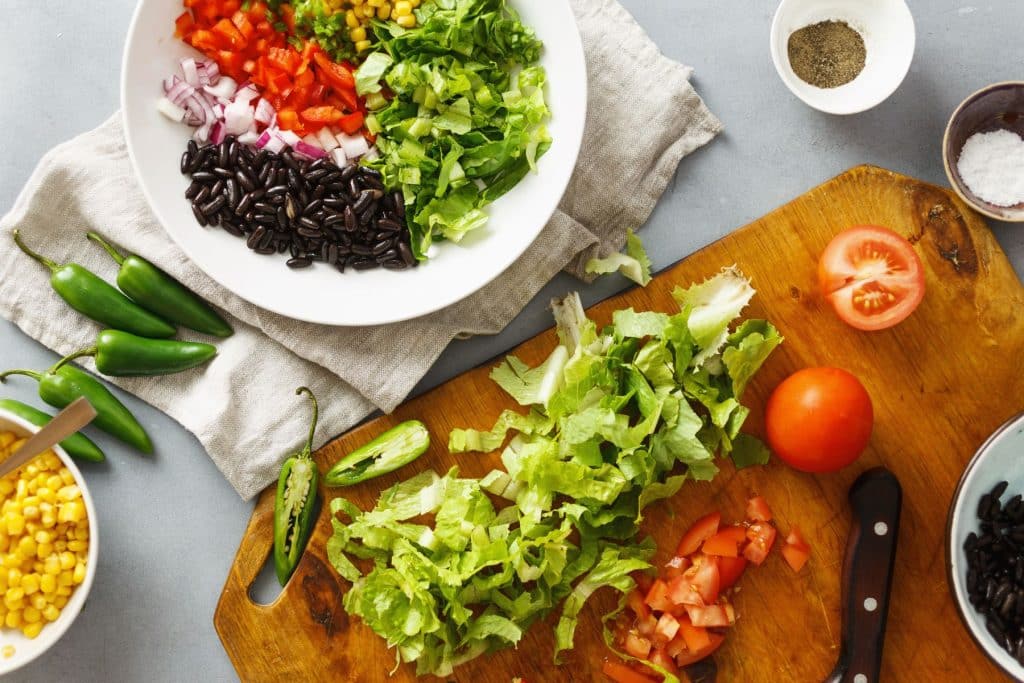
This might mean cooking plant-based meals that can be easily adapted to include non-plant-based options for your spouse. Some examples are:
- Make a veggie stir-fry and add a side of grilled chicken for them.
- A build your own taco bar with beans, rice, tortillas, veggies, and meat is an easy way to accommodate everyone’s preferences.
- Make-you-own pizza night with both dairy and dairy free cheese, vegetables and meat topping options.
- Loaded baked potatoes with plant-based and non-vegan toppings.
- Whole grain pasta with marinara. Serve meatballs on the side.
- Burger night with veggie burgers and meat burgers.
These are easy ways that you can enjoy a meal together without anybody feeling left out.
Leading by Example
One of the most effective ways to encourage your family members to be more open to a plant-based diet is by leading by example. Show them how delicious and satisfying plant-based meals can be. Invite them to try new recipes with you, and talk about the health benefits you’re experiencing.
Sometimes, seeing positive changes in your health and well-being can be a powerful motivator for them to consider trying it too.
Respecting Boundaries
It’s important to respect each other’s choices and not to pressure your spouse or family member into adopting a plant-based lifestyle.
Instead, focus on your own journey and let them make their own choices. Over time, they might become more curious and open to trying plant-based meals without feeling forced.
Sharing the Kitchen

Cooking together can be fun! Planning and preparing meals together can be a bonding activity that allows you to create meals that cater to everyone’s tastes.
Celebrating Small Wins
Celebrate any small steps your family member takes towards trying plant-based meals.
Whether they enjoy a plant-based dish you made or show interest in learning more about the diet, these small wins can encourage them to be more supportive of your lifestyle change. Positive reinforcement helps a lot!
Conclusion
Dealing with different eating habits in a relationship needs patience, understanding, and good communication. By respecting each other’s choices, finding compromises, and leading by example, you can keep a happy and healthy relationship while staying true to your plant-based diet. Remember, it’s a journey, and with time, your family member might become more supportive.

Additional Resources
Here are some resources that can help bridge the gap between your plant-based lifestyle and your non-vegan family member’s dietary preferences:
- Plant-Based Recipe Books: Explore cookbooks that offer versatile recipes appealing to both plant-based and non-plant-based eaters. Here are some of my favorite plant-based books.
- Documentaries and Articles: Share informative and inspiring content about the benefits of a plant-based diet.
- Support Groups and Forums: Connect with others who are navigating similar challenges for advice and support. New members are always welcome in my Oil Free Vegan Recipes and Support Facebook group.
By approaching this situation with love, patience, and respect, you can create a happy household where everyone’s your food choices are respected.