Finding ways to eat more fruits and vegetables can be both easy and enjoyable. With a bit of creativity and planning, you can boost your intake of these nutrient-packed foods and savor their delicious flavors.
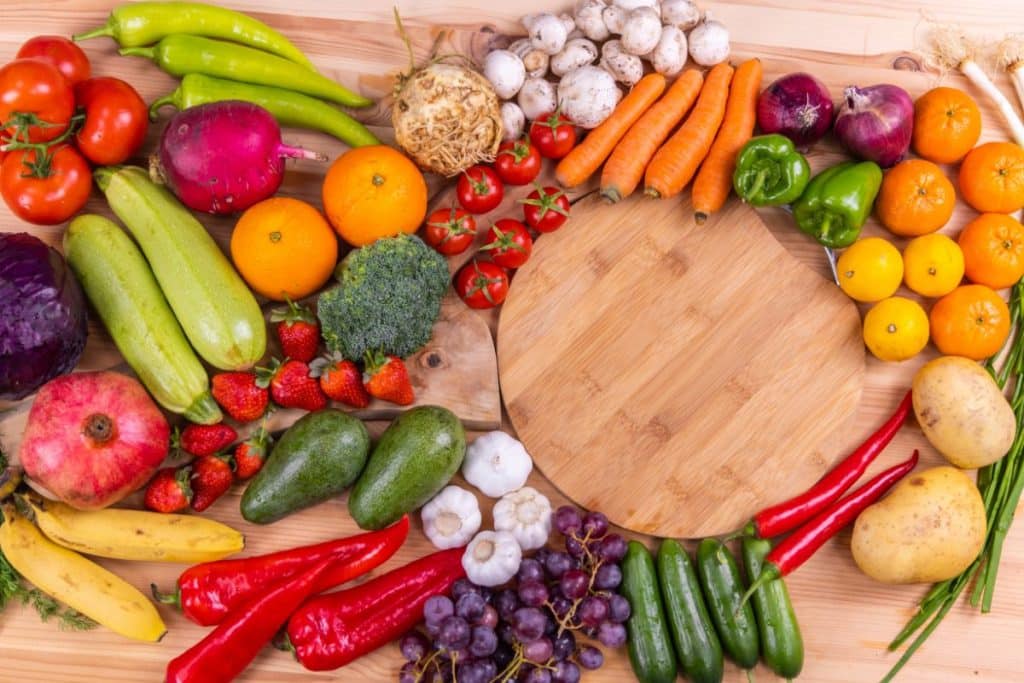
Although it’s widely known that fruits and vegetables are essential for a healthy diet, many people still fall short of the recommended intake. Plates filled with white (often nutrient-poor), brown (typically overcooked or fried), and yellow (usually high in processed carbs) foods suggest a lack of the phytonutrient power necessary for proper nourishment and healing.
Tips for Eating More Fruits and Vegetables
1. Blend Them Into Smoothies
Smoothies are a fantastic way to sneak in extra vegetables without even noticing. Spinach, kale, and zucchini blend seamlessly with fruits, creating a delicious and nutrient-packed drink. Try adding a handful of spinach to your morning smoothie for a nutritious start to your day – you won’t even taste it!
2. Prep and Plan Ahead
Spend a little time each week prepping your favorite fruits and veggies. Wash, chop, and store them in the fridge so they’re ready to grab for snacks, salads, or quick stir fries. Having a stash of ready-to-eat fruits and veggies makes it super easy to add them to your meals without any extra hassle.
This Cashew Veggie Stir-Fry can be filled with any of your favorite vegetables!

3. Incorporate Vegetables Into Your Breakfast
Breakfast is an excellent opportunity to add more vegetables to your diet. You can toss some veggies into your morning tofu scramble, add avocado to your toast, or blend them into your smoothies. Even overnight oats can get a veggie boost with some shredded zucchini or carrot – trust me, it’s a game changer!
This vegan breakfast hash is also a hearty and veggie packed breakfast!

4. Make Veggie-Packed Soups and Stews
Soups and stews are the ultimate comfort food, and they’re perfect for packing in a variety of vegetables. They are also easy to prepare in large batches, making them ideal for meal prep.
Make a big batch of your favorite soup and enjoy it throughout the week. The slow cooking process helps to blend the flavors and make the veggies tender and delicious, making it a delicious way to get more nutrients.
My Instant Pot Vegetable Soup is jam-packed with veggies, and is easy to modify with whatever veggies you have on hand.

5. Snack on Veggies and Hummus
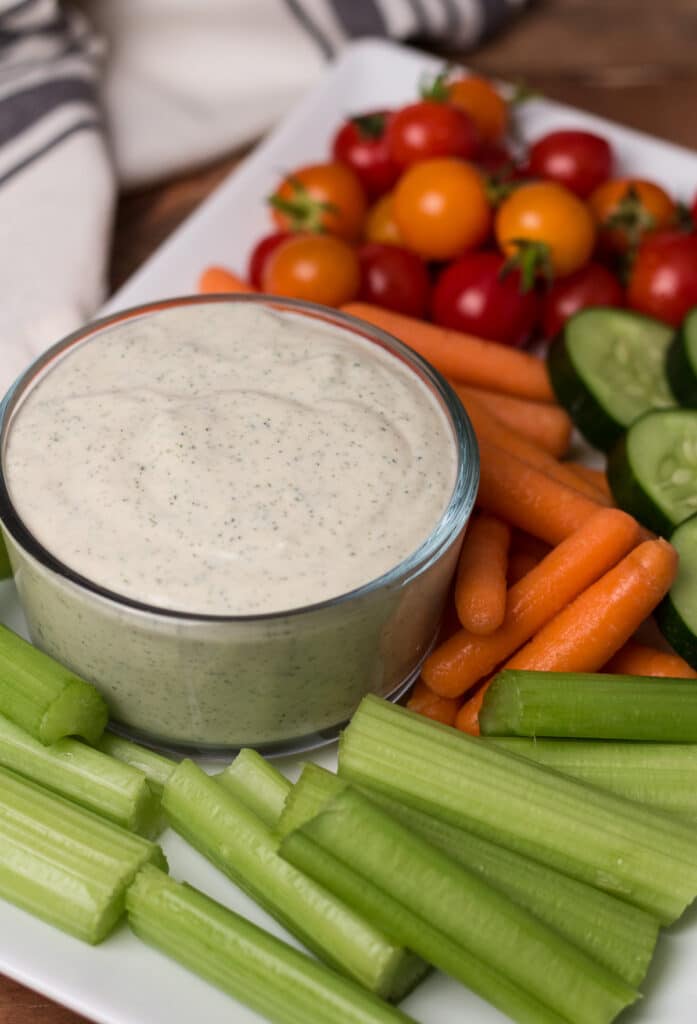
When hunger strikes between meals reach for reach for fruits, veggies, and hummus instead of chips or crackers. Carrot sticks, cucumber slices, and bell pepper strips are all perfect dippers. Pair them with a creamy hummus or ranch dip. This combination is not only tasty but also rich in vitamins and minerals.
6. Add Vegetables to Sauces and Dips
Pureeing vegetables into sauces and dips is an easy way to increase your veggie intake. Try adding roasted red peppers to your hummus or blending cooked carrots and tomatoes into your pasta sauce. These additions not only enhance the flavor but also boost the nutritional value of your dishes.

7. Swap Out Traditional Carbs for Veggie Alternatives
Replace traditional carbs like pasta and rice with vegetable alternatives. Spiralized zucchini or sweet potato noodles, cauliflower rice, and lettuce wraps are all fun options. These swaps are not only lower in calories but also add more fiber and nutrients to your meals.

8. Experiment with New Recipes
Trying new recipes can make eating fruits and vegetables more exciting. Look for inspiration in plant-based cookbooks or online resources. Experiment with different cooking methods, such as roasting, grilling, or sautéing, to discover new flavors and textures you love.
These Oil Free Roasted Vegetables are on our regular menu rotation!

9. Incorporate Vegetables Into Your Favorite Dishes
Add vegetables to the meals you already love. Toss extra veggies into your pasta, pizza, or casseroles. You can also layer them into sandwiches and burgers. This is an easy way to make your favorite dishes more nutritious without feeling like you’re missing out.

10. Make Vegetables the Star of Your Plate
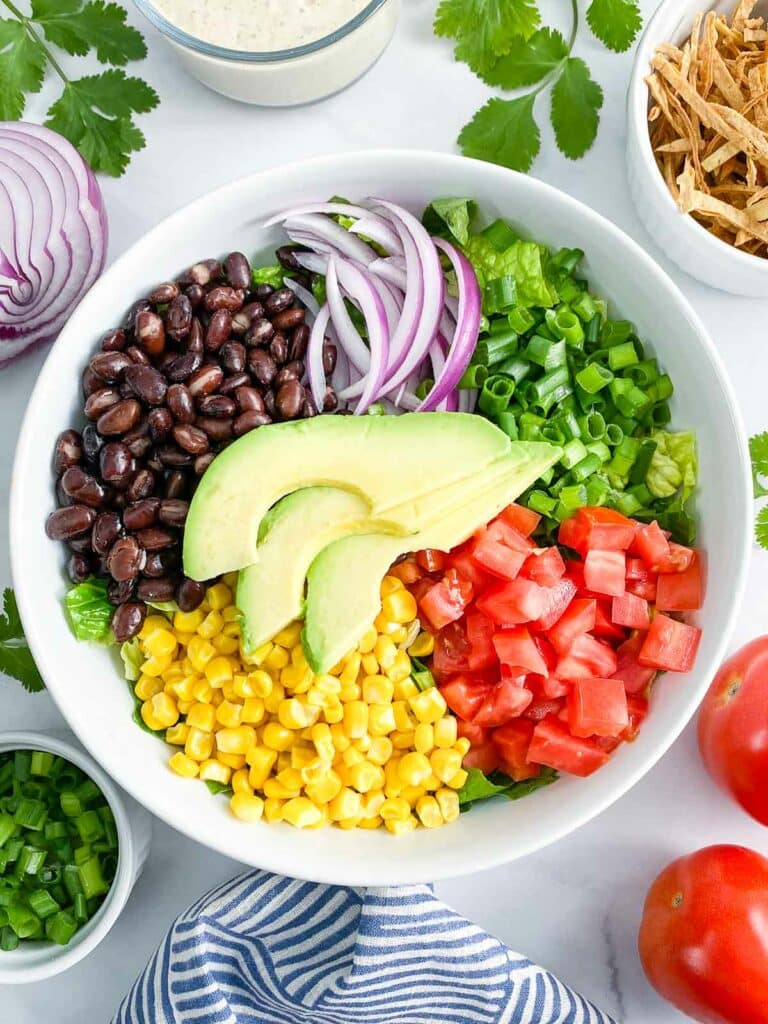
Instead of treating vegetables as a side dish, make them the star of your plate. Try creating meals that center around vegetables, like stuffed bell peppers, veggie stir-fries, or big salads with a variety of colorful veggies. This approach not only increases your veggie intake but also makes your meals more vibrant and satisfying.
Final Thoughts
Eating more fruits and vegetables doesn’t have to be a chore. With a bit of creativity and planning, you can easily incorporate more plant foods into your diet and enjoy all the health benefits they bring.
Whether you’re blending them into smoothies, packing them into soups, or swapping out traditional carbs, these tips will help you make vegetables a delicious and regular part of your meals.